Are LED Masks Safe? Eye Safety, Skin Sensitivity, and What to Expect
Encouraging clients to check the safety of their new skincare purchases helps prevent unwanted effects and poor results. So if you have clients wondering about LED mask safety, you can assure them: FDA-cleared, clinically evaluated LED masks are designed for safe at-home use when used as directed. This doesn’t mean that all at-home LED masks are inherently safe, but that adhering to certain criteria can guide clients to a safe option.
Omnilux LED devices lead with safety and transparency to make the choice easy. Our medical-grade devices are meticulously tested, backed by over 40 peer-reviewed brand studies, trusted by over 700,000 users, and conform to the highest eye safety standards.
Ahead, we’ll provide a comprehensive overview of eye safety, skin sensitivity, and proper LED mask usage so you can make confident recommendations to your clients.
Are LED Masks Safe for Eyes?
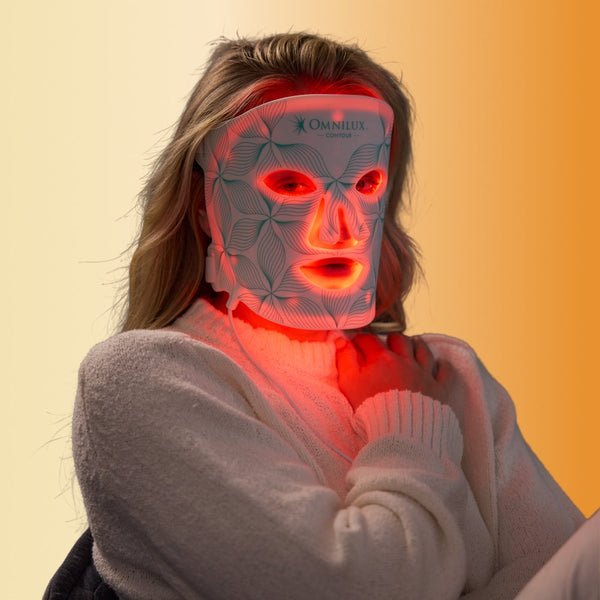
Many people wonder whether LED masks can damage your eyes, as they emit light close to the eye area. But LED masks use visible light wavelengths, like red and near-infrared, not UV (ultraviolet) light. This distinction matters for eye safety, because unlike UV-based treatments, LED light therapy uses non-ionizing light that doesn’t damage skin cells or DNA.
Still, selecting an LED mask that adheres to eye safety standards is the best way to ensure worry-free use. Omnilux devices have been tested and conform to IEC/EN 62471, the international photobiological eye safety standard.
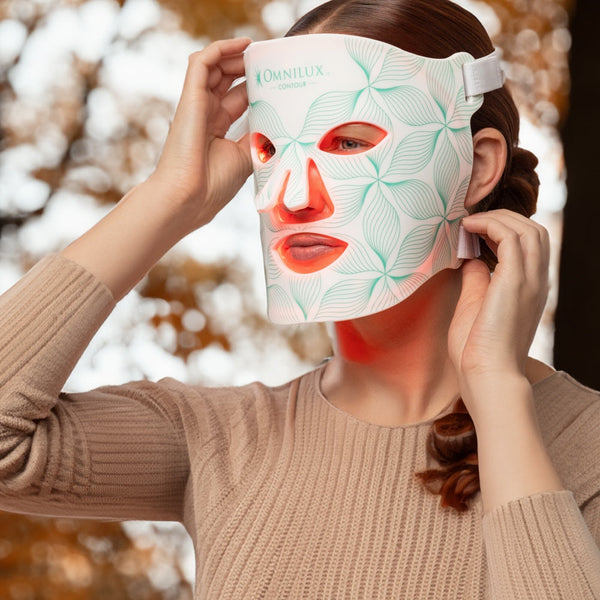
Eye protection isn’t required for Omnilux devices; they’re entirely safe for use without it. However, while not required for safety, optional eyewear is available to those who prefer it. Additionally, as some people may find that they’re sensitive to blue light, Omnilux Clear is equipped with built-in eye shields for added comfort.
Skin Safety: What to Expect
LED light therapy is non-invasive and doesn’t use UV light, making it a gentle choice for all skin types. Advise clients that if they experience temporary redness or warmth after a session, it should resolve quickly and isn’t a sign of damage. In most cases, it’s simply the result of natural body heat and having the device close to the body.
50 to 70% of adults report having sensitive skin, making it a prevalent concern among clients today. But having sensitive skin shouldn’t take LED light therapy off the table; Omnilux devices have shown in testing to be safe for all skin types. This non-UV technology makes it well-tolerated, even for reactive skin types.
For clients concerned about using an LED mask with sensitive skin, you can recommend performing a sensitization test with the device on the arm before applying it to the face. If a client has questions related to medications, photosensitivity, pregnancy, or recent procedures, encourage them to consult with their healthcare provider before beginning LED light therapy.
Help Clients Use LED Safely With Their Skincare Routine
Selecting the right at-home LED mask is only the first step: ensuring your clients use it safely is just as crucial. To set them up for success, recommend starting each session with clean, dry skin, and using the device as directed. Omnilux devices automatically shut off after the recommended session time (10 minutes), making proper usage as convenient as possible.
To elevate your clients’ results, you can suggest products developed to complement LED light therapy sessions, including:
- Omnilux Hyaluronic Acid Serum, intended for pre-LED application to help guard against moisture loss while deeply hydrating, calming, and visibly evening the complexion.
- Omnilux Hydrogel Facial Mask, designed for pre-LED application to help moisturize and hydrate the skin while supporting the skin barrier with ingredients including sodium hyaluronate, niacinamide, and green tea.
Clients might also wonder how LED light therapy pairs with other steps in their skincare routines, like retinol. At Omnilux, we don’t recommend using retinol with LED light therapy; while some people can use both comfortably, it poses a risk of reaction. When advising clients on the use of LED alongside other potent topical skincare, consider individual skin needs, sensitivities, and existing routines when making recommendations. For further information, visit our Help Center and Product FAQs.
How Often Should Your Clients Use Their LED Mask?
It’s one of the most common questions we hear: Can I use an LED mask every day?
LED light therapy is non-ablative, meaning it doesn’t compromise the epidermis. This also means there’s no required recovery period between sessions (unlike chemical exfoliants, retinoids, and more invasive therapies, like certain lasers). However, more isn’t always more: the best approach is to follow the recommended protocol that produces the documented clinical results.
- For Omnilux Contour Face, this protocol is three to five 10-minute sessions per week for four to six weeks, followed by maintenance as desired to achieve measurable outcomes like reduced fine lines and wrinkles and brighter, more radiant skin.
- For Omnilux Clear, this protocol is four 10-minute sessions per week for six weeks, followed by maintenance sessions at the earliest sign of a breakout to help reduce active acne and prevent blemishes.
Ensuring clients use their device as directed helps prevent LED mask side effects and supports noticeable results. To learn more about the documented outcomes of LED light therapy, visit our Clinical Bibliography.
What Makes Omnilux Different
In your search for a safe, effective LED light therapy device to recommend to clients, Omnilux stands out from the crowd as a medical-grade brand since 2003. While LED light therapy has been trending recently (and many brands have hopped on the bandwagon), Omnilux is a stalwart in the field, with the credentials to back it up:
- Over 700,000 customers (and counting)
- 40+ peer-reviewed brand studies in our Clinical Bibliography
-
FDA clearance, meaning the device has been reviewed by the FDA for its intended use
- To learn more about how to interpret FDA clearance in LED light therapy, refer to our blog article: Skin Tech 101: Clinically Proven vs. Marketing Claims
- Clinically evaluated wavelengths for specific skin concerns (633nm red, 830nm near-infrared, and 1072nm near-infrared for skin rejuvenation; 415nm blue for acne)
A Simple Checklist for Safe LED Sessions at Home
Recommend this straightforward process for safe LED light therapy sessions that fit into your clients’ home skincare routines.
Before each session:
- Cleanse the skin thoroughly with a gentle cleanser to remove all makeup and skincare products that could inhibit light penetration.
- Skip strong active ingredients, like retinol and prescription retinoids, on LED nights (especially for clients who are new to LED light therapy).
During each session:
- Apply complementary Omnilux topical skincare products formulated for use during sessions, like Hyaluronic Acid Serum or Hydrogel Masks.
- Follow the device’s recommended treatment time and weekly frequency.
- Refer to the instructions to secure the device close to the skin.
- Keep eyes open or closed, whatever is most comfortable for each client. No eye protection is required with Omnilux devices, though Omnilux Clear includes built-in eye shields for added comfort.
After each session:
- Apply serums and moisturizer right after each session, as the skin is primed for absorption.
- Apply SPF daily. This isn’t specific to LED light therapy; it’s just good skincare!
Ready to bring Omnilux LED therapy to your practice? Apply to become an Omnilux Provider and offer your patients a clinical-strength addition to their home skincare routines.
Want to learn more before you commit? Explore Omnilux LED devices, benefits, and how to use them in your clients' skincare routine.