Skin Tech 101: LED Therapy vs. Laser: Which Is Right For Your Clients?
As a provider, you may have encountered the assumption that cosmetic lasers are superior to LED light therapy because they’re exclusively used in professional clinics. We get it: it’s only natural for clients to assume that pro-grade therapies will provide the best results. But while both use the power of light, LED light therapy and lasers are distinct technologies; neither is inherently better or more advanced, they simply serve different purposes.
Ahead, we’ll provide a complete comparison of LEDs vs. lasers for skin, exploring how to help your clients understand when each technology is the right fit.
LED and Laser Are Different Technologies
LEDs and lasers both harness light to improve the skin’s appearance. But exactly how they deliver that light is very different: lasers deliver light in a narrow, concentrated beam, while LEDs distribute light across a broader treatment area.
In conversations with clients, you can explain that lasers are best suited to highly targeted treatments for localized concerns (like scarring and deep wrinkles), while LED light therapy is a more fitting choice for consistent use across a larger area.
Why Wearable LED Devices Are Designed Differently
Another key difference between LED light therapy and lasers is their device format. While most lasers are exclusively created for in-office use, clients can bring home wearable LED light therapy devices for convenient, routine sessions.
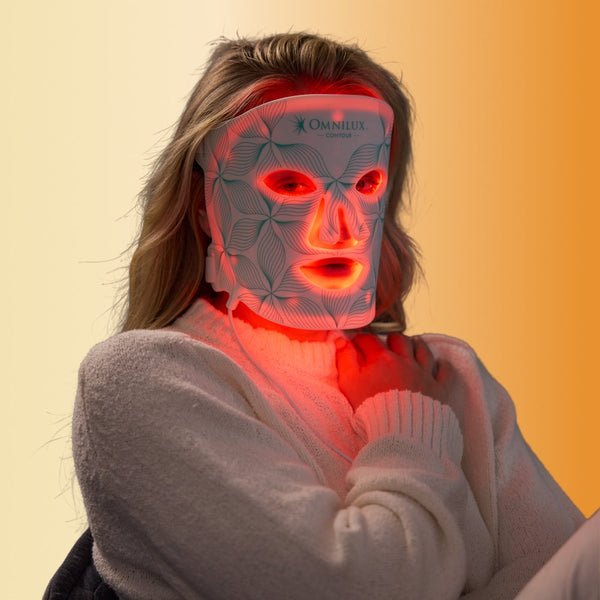
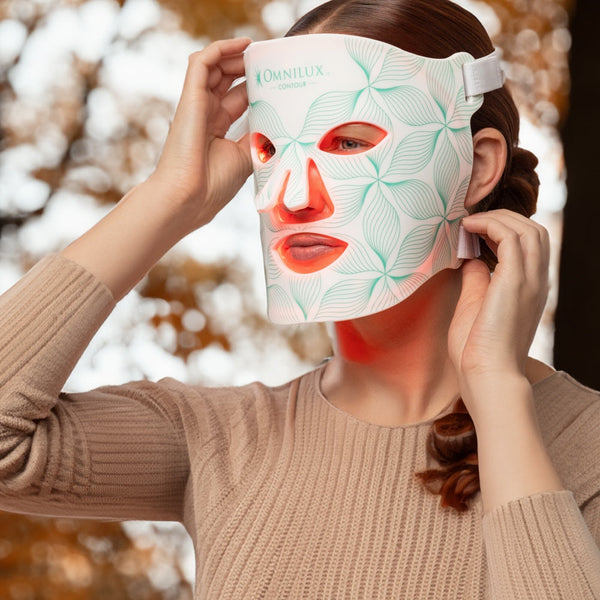
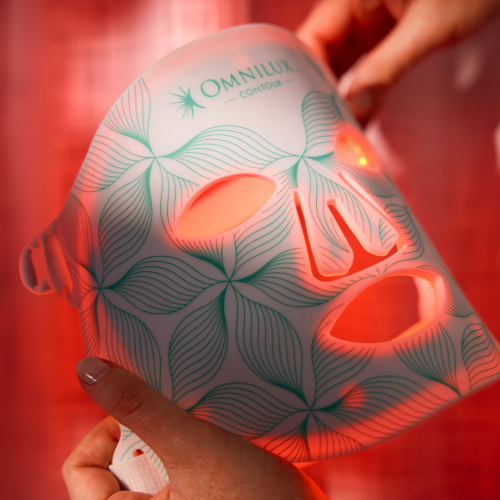
Wearable LED light therapy devices, like masks, are made to be comfortable, flexible, and practical for home use. For your busiest clients who might struggle with adherence, emphasize that well-designed masks can be worn while answering emails, folding laundry, or taking a well-deserved moment to decompress. Plus, rather than focusing on an isolated area, these devices distribute light across the entire face (or neck, chest, or hand), helping to improve your clients’ overall appearance.
So instead of positioning LEDs and lasers as a one-or-the-other decision, explain how each might address your clients’ skincare goals. An in-office laser treatment may help eliminate a specific imperfection, while an at-home LED light therapy device can provide long-term support for overall radiance and help maintain results between in-clinic treatments.
What Actually Makes LED Light Therapy Effective?
Now that we’ve mapped out how it differs from laser treatments, let’s dive into how LED light therapy works.
LED light therapy works through a process called photobiomodulation. This means the skin absorbs photons of specific wavelengths, that are commonly known to stimulate collagen and elastin production. But with so many devices available today, it can be challenging to know which one will deliver noticeable results for your clients. Successful LED light therapy depends on:
-
Clinically studied wavelengths: More LED colors don’t automatically mean better results. What matters far more is choosing wavelengths supported by strong research indicating their results for specific skin concerns.
- Learn more about available light wavelengths in our complete guide: Skin Tech 101: Do More Colors Mean Better Skin Results?
- Learn more about available light wavelengths in our complete guide: Skin Tech 101: Do More Colors Mean Better Skin Results?
-
Safe, precise dosages: Dosage establishes the total energy delivered over time, and it impacts whether the device is safe and effective for long-term use.
- To dive deeper into how dosage and precision affect LED results, check out our related article: Skin Tech 101: Not All LEDs Are Created Equal
- To dive deeper into how dosage and precision affect LED results, check out our related article: Skin Tech 101: Not All LEDs Are Created Equal
- Consistent light delivery: Even light distribution across the entire coverage area ensures that the skin receives the same concentration of light.
- A clear session schedule and intended use: A defined schedule and usage can help you make confident device recommendations.
Why Omnilux Chooses LEDs
Since lasers deliver targeted results for common skin concerns, like stubborn scarring and deep wrinkles, you might wonder why Omnilux has chosen to focus on LED light therapy. It’s not because LEDs are universally better than lasers; it’s because LED light therapy is ideal for wearable, full-face sessions that fit seamlessly into an at-home skincare routine.
Omnilux focuses on powerful LED light therapy results designed with clinically studied wavelengths. Our devices are supported by over 40 clinical studies and have earned FDA clearance for specific skin concerns. Each device is developed with evidence at the forefront, ensuring precise light delivery and even coverage in every session. We’ve also developed flexible, wearable designs with practical 10-minute sessions, helping your clients maintain a consistent, radiance-boosting routine from home.
With a complete collection of LED light therapy devices for different skin concerns, Omnilux helps you tailor your clients’ regimens to their goals. The bestselling Contour devices, Contour Face and Contour Neck & Décolleté, target signs of aging and support skin regeneration, while Omnilux Clear targets acne-causing bacteria to support a clear complexion. Omnilux Men uses the deepest-penetrating wavelength of near-infrared light (1072nm) to support men’s thicker skin.
Browse our device collection or visit our Education Page to learn more about Omnilux’s clinically studied technology.
The Takeaway: The Right Technology for the Right Purpose
While lasers and LEDs are commonly conflated, they’re different technologies that solve different problems. Wearable LED light therapy delivers broad, even, and comfortable light delivery for your clients’ at-home routines; lasers use a narrow beam of light to tackle localized concerns.
As you educate your clients, highlight the importance of matching their goals with the technology that best addresses them, and of investing in a reputable device. For LED light therapy, that means prioritizing consistent light delivery, clinically studied wavelengths, and thoughtful engineering.
Ready to bring Omnilux LED therapy to your practice? Apply to become an Omnilux Provider and offer your patients a clinical-strength addition to their home skincare routines.
Want to learn more before you commit? Explore Omnilux LED devices, benefits, and how to use them in your clients' skincare routine.