From Routine to Revenue: Helping Patients Build Skincare Habits That Last
As a provider, you can only control what happens in the clinic. When your patients go home, the responsibility to follow through on treatment plans lands squarely on their shoulders. This can impact treatment outcomes and influence patient satisfaction, potentially even determining whether they’ll return to your clinic.
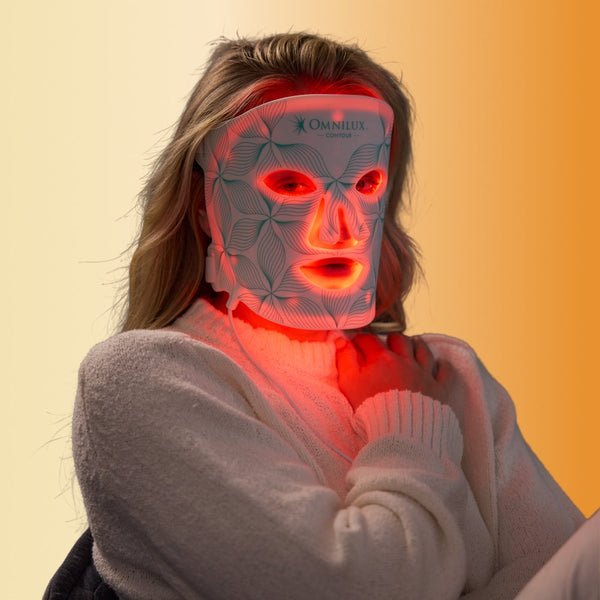
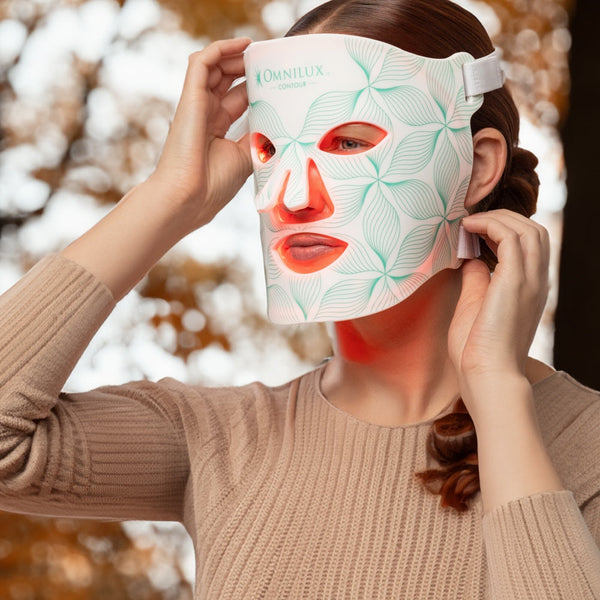
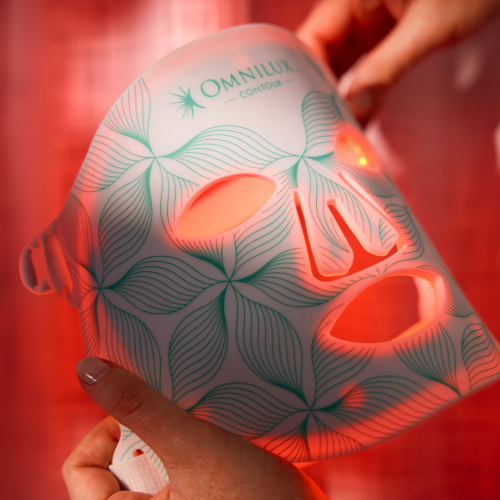
Thankfully, your patients’ progress isn’t entirely out of your hands. Implementing habit-building techniques, working with existing routines, and recommending science-backed tools like Omnilux LED light therapy can help patients achieve noticeable, lasting results. In this article, we’ll explore each of these strategies to boost compliance and encourage successful habit-building, all while ensuring patients stick to the recommended protocol for their LED light therapy device.
The Psychology of Habit-Building
Building consistent habits is far easier said than done, especially for patients already juggling packed schedules and pressing responsibilities. Aligning your recommendations with proven habit-building techniques can help your patients find a skincare routine that they stick to naturally.
Try implementing trigger-action-reward cycles as a sustainable skincare habit-building technique:
- The trigger is a prompt, either external (like a note on the bathroom mirror) or internal (like the desire to fade fine lines).
- The action is a behavior, like using an LED light therapy device and applying a series of skincare products.
- The reward is the benefit, whether short-term (like having a restorative moment of self-care while completing a skincare routine) or long-term (like noticing visible skin improvements after a few weeks of consistent use).
In the context of skincare, visual and tactile cues, like an Omnilux LED device, can serve as powerful prompts to reinforce your patients’ routines. The cue bolsters the brain’s neural pathway for a particular habit, gradually making the routine feel automatic, not like a chore. Cues also make habits easier on the brain; instead of working to remember a step, the brain relies on the visual or tactile prompt to cue the next action.
Rituals That Stick: Morning vs. Evening Use
As you and your patients work toward a consistent routine, you may evaluate the varying benefits of morning and evening routines. Here’s the good news: LED light therapy works at any time of day, allowing you to tailor recommendations to each client’s needs and preferences. Use these factors to guide your suggestions for patients’ LED light therapy routines:
- Existing routines: Is your client an early bird or a night owl? Do they spend more time on their morning or evening skincare routine? Capitalizing on their current habits can improve patient skincare compliance as you coach them on building a lasting regimen.
-
Morning vs. evening results: While LED light therapy works at any time of day, it provides distinct benefits in the morning and at night.
- When used in the morning, LED light therapy can start your patient’s day off on the right foot by prioritizing self-care and providing an energizing boost to the skin. It’s also an ideal option for patients who work late or have a hectic PM routine.
- When used in the evening, LED light therapy capitalizes on the skin’s natural regenerative processes during sleep, ensuring patients wake up radiant and refreshed. It’s the best choice for patients who have more flexibility in the evening hours.
-
Skincare preferences: Is your patient a skincare minimalist, or do they enjoy engaging in a comprehensive routine? LED light therapy can fit into both bare-bones and multi-step routines, with a few thoughtful adjustments:
- For skincare minimalists, focus on the basics: hydration and sun protection, with a few LED light therapy treatments sprinkled in. Omnilux Minis (including the Skin Corrector, Eye Brightener, and Blemish Eraser) may be an ideal option for this patient persona, as they provide targeted LED light therapy in a smaller, more affordable package.
- For skincare enthusiasts, focus on pairing LED light therapy with a thoughtful routine that enhances results. Omnilux topical products are specifically formulated to complement light therapy sessions: try the LED Essentials Bundle (featuring Enzyme Powder Cleanser, Hyaluronic Acid Serum, and Peptide Concentrate) for skin aging and overall radiance, or the Clear Rescue Bundle (featuring Salicylic Acid Cleanser, Noni Balancing Serum, and Squalane Jelly Moisturizer) for blemish-prone skin.
- For skincare minimalists, focus on the basics: hydration and sun protection, with a few LED light therapy treatments sprinkled in. Omnilux Minis (including the Skin Corrector, Eye Brightener, and Blemish Eraser) may be an ideal option for this patient persona, as they provide targeted LED light therapy in a smaller, more affordable package.
- Hectic schedules: For busy moms, high-flying careerists, and other patients who struggle to carve out time for skincare, double down on the value of self-care. It’s not just a skincare routine, it’s an opportunity to unwind, release daily stressors, and prioritize mental wellness, all while caring for your skin.
From Ritual to Results: What Patients Notice First
Nothing motivates and engages patients quite like visible improvements in their appearance. Without visible results, your patients may be tempted to neglect their routines or jump ship to other solutions.
First, manage your patients’ expectations. Neither topical skincare nor LED light therapy provides instant results; it takes weeks of consistent use, especially considering that the skin cycle takes an average of 28 days.
After reiterating the importance of patience when committing to a new skincare routine, encourage your patients to snap weekly progress photos. Since we see our faces in the mirror every day, before-and-after photos are often the best way to view results from skincare products and treatments. This is a straightforward strategy to emphasize noticeable improvements and boost patient satisfaction.
Reminding patients to schedule regular check-ins can also support LED light therapy results tracking and overall treatment success. Periodic appointments allow you to build relationships and establish a rapport with your patients, solidifying your standing as their trusted skincare provider.
Build the Bundle: Tools That Encourage Habit Adherence
Patients are searching for the simplest, most convenient way to achieve their cosmetic goals. Tailored product bundles can meet this need while giving patients a clear, expert-backed routine that fits into their schedule.
Omnilux offers a collection of bundles that pair FDA-cleared LED light therapy devices with dermatologist-formulated topical products to deliver synergistic benefits. As a provider, you can build your own bundles to help patients address specific goals in a targeted, easy-to-follow routine.
-
Pair the Omnilux Contour Face and Omnilux Contour Neck & Décolleté LED light therapy devices with the LED Essentials Bundle, a doctor-formulated skincare routine to renew, plump, and hydrate, featuring:
- Enzyme Powder Cleanser to prep and gently exfoliate skin (pre LED)
- Hyaluronic Acid Serum to plump and refresh (during LED)
- Peptide Concentrate to smooth and hydrate (post LED)
-
Pair the Omnilux Clear LED light therapy device with the Clear Rescue Bundle, formulated by Dr. Hany Abi Ghosn to clean and balance blemish-prone skin, featuring:
- Salicylic Acid Cleanser to gently exfoliate and clear congested pores (pre LED)
- Noni Balancing Serum to hydrate and balance sensitive skin (during LED)
- Squalane Jelly Moisturizer to lock in moisture and prevent irritation (post LED)
Bolster these bundles with Omnilux Hydrogel Facial Masks and Hydrogel Décolleté Masks. Designed to be worn during LED light therapy treatments, these hydrogel masks enhance light penetration and nourish skin with hyaluronic acid.
Bundled product recommendations improve treatment outcomes by giving your patients products that complement each other, and boost revenue by increasing your average customer spend.
Practice Impact: Why Habits Boost Business
Encouraging your patients to develop longstanding habits isn’t just good for treatment outcomes; it also elevates your business by fostering patient loyalty.
The more committed your patients are to their routines, the greater treatment success they’ll experience, and the more likely they’ll be to return to your practice (and invest in your retail offerings). And as patients revel in their radiant results, they’ll be more likely to refer your practice to others. Word-of-mouth referrals can go a long way toward building a loyal patient base and underpinning your practice’s ongoing growth.
Ready to bring Omnilux LED light therapy to your practice? Apply to become an Omnilux Provider and offer your patients a clinical-strength addition to their home skincare routines.
Want to learn more before you commit? Explore Omnilux LED devices, benefits, and how to use them in a skincare routine.
FAQs: Skincare Habit-Building and Patient Compliance
How long until patients see results with Omnilux?
Patients can expect to see results starting at four weeks with consistent Omnilux LED light therapy use. But they might experience the benefits even sooner: in the Omnilux Contour Face clinical study, patients experienced a 21.4% improvement in skin elasticity and an 18.9% improvement in hydration immediately after the first treatment.
As a provider, underline the importance of following the recommended protocol for each device:
-
- For Contour Face, Contour Neck & Décolleté, and Omnilux Men: three to five 10-minute treatments per week for four to six weeks, followed by maintenance treatments as desired.
- For Omnilux Clear: four 10-minute treatments per week for six weeks, followed by use at the earliest signs of a breakout.
Can patients use LED light therapy every day?
Patients should stick to the recommended protocol specific to each Omnilux LED light therapy device.
What’s the easiest way to get patients to stick to routines?
The easiest way to get patients to stick to routines is to recommend a simple, results-driven regimen that aligns with their existing habits and includes visual, tactile cues, like an LED light therapy mask.