What Patients Are Asking About LED Light Therapy - Dr. Dray Breaks It Down
LED light therapy’s popularity continues to soar: The global light therapy market was valued at $1.12 billion in 2024 and is forecasted to reach $1.66 billion by 2034. Whether you’ve been offering treatments in clinic for years or just hopped on the bandwagon, understanding how to educate patients on this trending treatment can instill a sense of confidence and empowerment as they introduce LED light therapy into their routines.
To set your practice up for success, we sat down with Dr. Andrea Suarez , MD, FAAD ("Dr. Dray") to explore today’s most common LED light therapy talking points. As an Omnilux Scientific Advisory Board member, board-certified dermatologist, and one of social media’s most trusted skincare experts (with 2.58 million and counting followers on YouTube alone), Dr. Dray understands the invaluable role of LED light therapy patient education.
How LED Light Therapy Works: Patient Education and Talking Points
Read on for Dr. Dray’s insights into patients’ most pressing light therapy questions, as discussed in her YouTube deep-dive, "LED Face Masks: Game-Changer or Gimmick? A Dermatologist Explains".
Q: How does LED light therapy actually work?
What to tell patients: "LED therapy works by photobiomodulation, meaning specific wavelengths of light stimulate cellular activity," explains Dr. Dray. That activity boosts collagen, promotes renewal, and, in the case of blue light, targets acne-causing bacteria.
Provider tip: Reiterate that LED light therapy is a non-invasive treatment option that supports the skin’s natural healing processes, with no downtime required. This means that the Omnilux Heritage Medical Professional Unit can be combined with other in-clinic treatments (like microneedling, chemical peels, and facials, to name a few) to accelerate healing and enhance results, while Omnilux at-home devices can help maintain results between appointments.
Q: Which wavelengths of light are best for my skin?
What to tell patients: Dr. Dray explains it best: "You want to stick to evidence-based wavelengths of light that do what you are looking to get out of the device."
- Red light (630–660nm) supports healing and collagen production.
- Near-infrared light (830–850nm) penetrates deeper to promote skin rejuvenation.
- Blue light (415nm) is for acne because it targets and eradicates C. acnes bacteria.
Dr. Dray advises: "If you don't have acne, there's really no need to pursue blue light." She also cautions against devices that feature unvalidated light colors, like purple, green, or yellow.
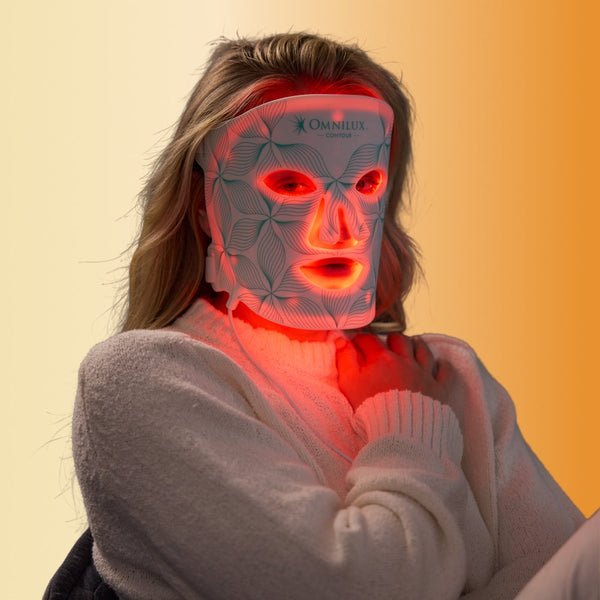
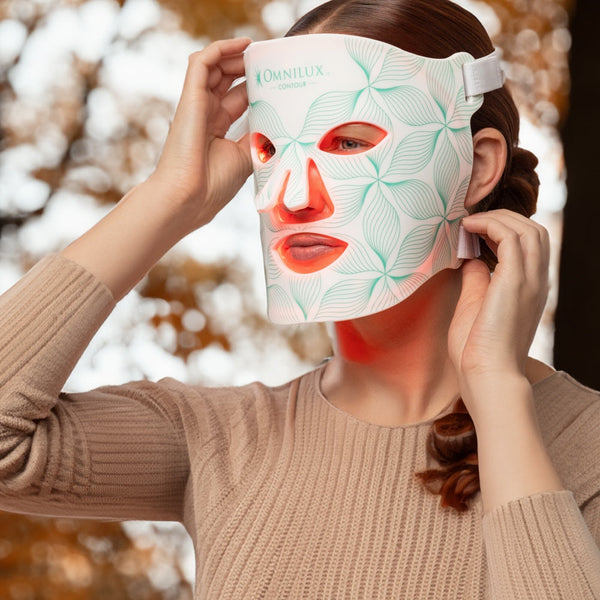
Provider tip: Help patients connect light therapy wavelengths to their desired outcomes. For patients seeking a solution to skin aging, Omnilux Contour uses a combination of red and near-infrared light to reduce fine lines and wrinkles, even skin tone and texture, and restore skin’s youthful radiance. For patients struggling with breakouts, Omnilux Clear uses blue and red wavelengths of light to eradicate acne-causing bacteria, calm the skin, and even skin tone.
Q: What should I look for in an LED mask?
What to tell patients: Look for evidence-based wavelengths, FDA clearance, a flexible fit, and built-in eye protection, especially with blue light devices.
Dr. Dray emphasizes: "A lot of devices incorporate technologies that are not well evidence-based… it's just kind of like, what all is going on in this device?" Ensure patients understand that not all LED light therapy devices are made equal.
Provider tip: As today’s most widely trusted LED light therapy brand, Omnilux devices are FDA-cleared, non-invasive, and ergonomically designed for close skin contact and comfort. Choosing Omnilux in your clinic and your patients’ home skincare routines is a fast track to safe, dependable results.
Q: Can I use LED light therapy with my skincare routine?
What to tell patients: Yes, you can. Just start with clean, dry skin before using your LED device. Applying products under the mask may increase irritation potential, especially when using active ingredients.
Dr. Dray clarifies: "The mask serves as a type of occlusive therapy, and products under occlusion… increase the risk for irritation."
Provider tip: Recommend using LED therapy on bare skin or with topical products formulated to complement LED treatments, like Omnilux’s Hyaluronic Acid Serum. Once the session is complete, patients can continue with their usual skincare routine, focusing on restorative products to keep skin calm and hydrated. Omnilux offers topical skincare products formulated specifically to complement LED light therapy sessions, including the nourishing Peptide Concentrate to quench skin post-LED. Consider recommending the LED Essentials Bundle for patients seeking a hassle-free, dermatologist-formulated routine to use with their LED device.
Q: How long until I see results?
What to tell patients: Like any skin regimen, results require consistency. Dr. Dray explains: “They only work if you use them consistently.” Most users see visible improvements with 10-minute LED treatments, three to five days per week.
Provider tip: Set expectations around regular use and reassure patients that it can fit seamlessly into their daily routines. Since Omnilux at-home devices are comfortable and hands-free, patients can wear them while making coffee, answering emails, reading a book, or binge-watching their favorite show. With consistent use, Omnilux devices are clinically proven to improve the appearance of fine lines, wrinkles, skin tone, and texture in as little as four weeks.
Q: Which LED light therapy mask do you recommend?
What to tell patients: Dr. Dray puts it simply: "I use the Contour. I've tried the Clear mask... They are really, really good masks." These bestselling Omnilux devices target today’s most common skin concerns with research-backed light wavelengths.
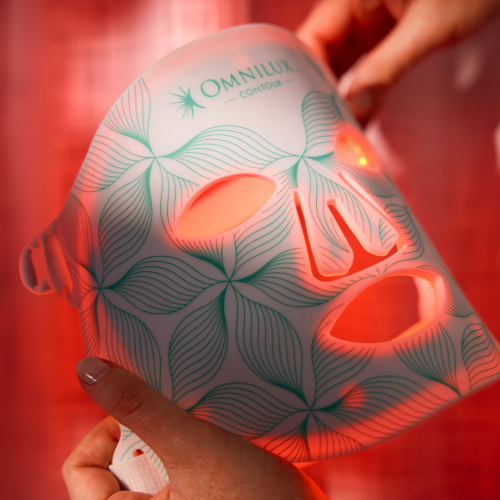
Why Omnilux? Trusted by top dermatologists and used in leading clinics, Omnilux brings professional-grade LED therapy home. Each mask is designed with optimized, science-backed wavelengths (red, near-infrared, and blue for acne) to target real skin concerns. The flexible, medical-grade silicone molds comfortably to the skin for even light distribution and maximum results.
The bonus: Omnilux light therapy devices are FDA-cleared, backed by peer-reviewed clinical data, easy to use, and fit into even the busiest routines.
Provider tip: Offer insights into your personal use of LED light therapy, as well as feedback from other patients and clinical experience. Patients feel reassured when told that their device is rooted in science, used in-clinic, and personally trusted by providers. Omnilux ticks all of these boxes, with results backed by clinically-proven results and an impressive panel of dermatology experts, including Dr. Dray.
Ready to bring Omnilux LED light therapy to your practice? Apply to become an Omnilux Provider and offer your patients a clinical-strength addition to their home skincare routines.
Want to learn more before you commit? Explore Omnilux LED devices, benefits, and how to use them in a skincare routine, then dive into product FAQs for quick answers to common questions.