Inside the Omnilux Contour Face Clinical Study: What Research Reveals About LED Light Therapy for Wrinkles
Finding a reputable LED light therapy device to recommend to clients might seem simple enough…until you start sifting through the available products, trying to find a legitimate option amid a host of flashy marketing claims. It’s enough to give anyone decision paralysis, especially when skin health is on the line. But the solution lies in the science: Clinical studies offer clearer, more credible insights into how a device will actually perform. This evidence translates into peace of mind, ensuring you can trust the product you choose to recommend. Plus, given that not all products have clinical studies to their name, it creates a filter for products that aren’t worth your consideration.
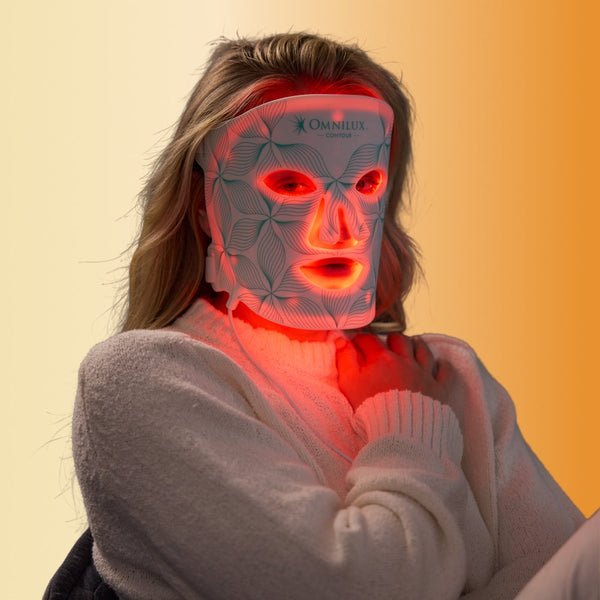
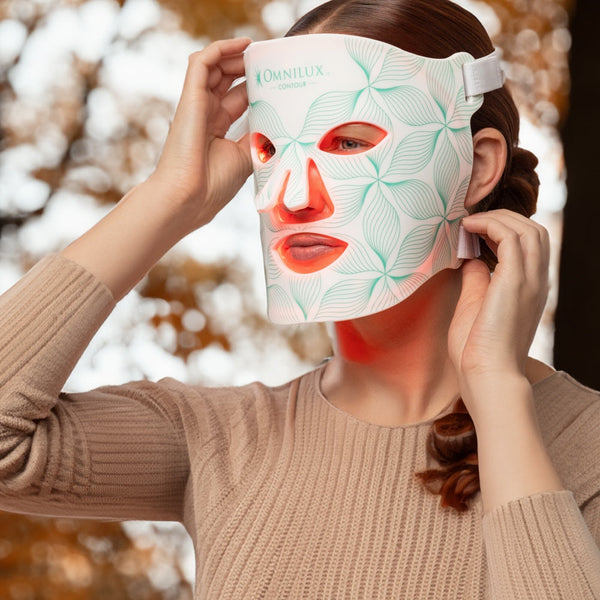
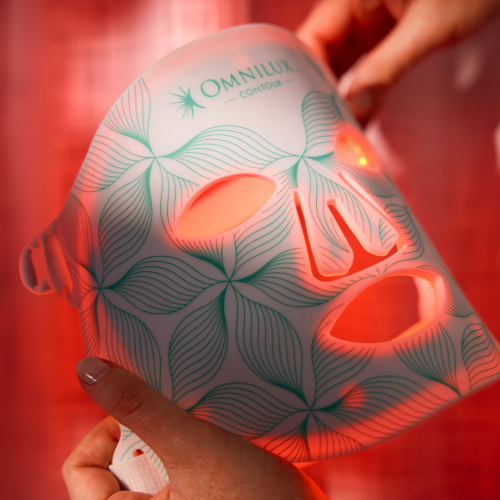
In this article, we’ll walk you through the Omnilux Contour Face clinical study to illustrate how clinical research can (and should) guide your search for a reputable LED light therapy device. We’ll explore what was measured and what actually changed, telling the full story of how Contour Face supports skin radiance.
Why Clinical Studies Matter in Skincare
The skincare industry is flooded with an ever-growing number of products, including LED light therapy devices. As a provider, it can be challenging to evaluate different technologies and pinpoint the products that are worth integrating into your practice. With that said, clinical studies can help you cut through the noise and learn how products perform in standardized, documented tests.
Not all LED light therapy devices are supported by clinical studies (especially at the lower end of the price spectrum). Here’s why that matters:
-
Clinical studies provide scientific evidence on how the device works and how the device can actually affect the skin. This paints a far clearer picture than marketing content, which is primarily used to sell the product.
- Scientific evaluations separate medical-grade devices from those without substantiated safety and efficacy assessments. This makes it easier to find a device that can yield noticeable results over time.
- LED light therapy clinical results can link a device to specific skin concerns (like fine lines or blemishes), answering crucial questions like, “Does red light therapy work for wrinkles?” or “Can blue light therapy help prevent breakouts?” This can help you match clients to the best device for their goals.
Omnilux has a longstanding, documented commitment to evidence-backed skincare, with over 40 peer-reviewed clinical studies to support its collection of LED light therapy devices. It’s found in over 5,000 dermatologist and aesthetic offices across the globe, demonstrating its widespread professional support. Additionally, to remain at the forefront of safety and innovation in the aesthetics industry, Omnilux has a Scientific Advisory Board, which consists of renowned experts in dermatology and LED phototherapy.
How LED Light Therapy Works Beneath the Skin
LED light therapy, also known as photobiomodulation, works by transmitting specific wavelengths of light to the skin. These wavelengths stimulate mitochondria, the energy centers of your cells, and increase cellular energy production (called ATP).
Omnilux’s Contour devices use two clinically evaluated wavelengths, 633nm red light and 830nm near-infrared light, to support skin rejuvenation:
-
633nm red light is commonly associated with natural cellular repair and renewal for a more radiant, refreshed-looking complexion.
- 830nm near-infrared light is known to target deeper fibroblast cells to stimulate new collagen and elastin production for plumper, firmer, more youthful-looking skin.
Visit our Education Page to learn more about how Omnilux’s industry-leading technology supports skin’s health and radiance.
Inside the Omnilux Contour Face Clinical Study
The Omnilux Contour Face clinical study followed 25 participants between the ages of 30 and 65 over four weeks. They used Omnilux Contour Face three times per week for 10 minutes per session. The following evaluation methods were used to measure the device’s effect on wrinkles and visible signs of aging:
- Wrinkle grading scale
-
Photodamage and skin texture assessment
-
Digital photography
-
Skin elasticity, hydration, and pigmentation evaluation
- Scan to evaluate surface roughness and texture
The participants were also given self-assessment questions to record their thoughts on at-home LED light therapy results with Omnilux Contour.
Before and After Results: What Changed
One week after the final treatment, the study evaluation process revealed:
-
38.7% improvement in skin smoothness
- The study summary displays before-and-after images of a participant with visible reduction in pores:
- The study summary displays before-and-after images of a participant with visible reduction in pores:

-
37.6% reduction in wrinkle number and width
- The study summary displays before-and-after images of two participants' visible reduction in wrinkles:
- The study summary displays before-and-after images of two participants' visible reduction in wrinkles:


-
29.3% improvement in elasticity
- 19.4% improvement in hydration
These LED device before-and-after images from the study summary show two participants’ visible reduction in skin redness and pigment:
Reduction in pigment:

Reduction in redness:

The participants’ self-assessment responses were also overwhelmingly positive. 93% agreed that their skin felt softer, smoother, brighter, and refreshed after just one treatment. In general, participants felt that they looked more “alive”, with these standout statistics:
- 84% strongly agreed that their skin feels softer and smoother.
- 84% strongly agreed that their skin looks brighter and more refreshed.
- 76% strongly agreed that their skin feels firmer or tighter.
- 72% of participants strongly agreed that their fine lines appear less visible.
You can present this clinical proof, including both statistics and visual evidence, during consultations to educate or reassure clients considering LED light therapy for their aesthetic routine.
What These Results Mean for Your Clients’ Skin
Now, how exactly do those numbers translate into real-world results for your clients’ skin? Metrics aside, the Omnilux Contour clinical study showed us that with consistent use, this device can help smooth skin texture, soften the appearance of fine lines, and give skin a healthy, hydrated glow. These results add up over time, so educating clients about the recommended treatment timeline (three to five 10-minute sessions weekly) and encouraging them to stick to it is crucial to achieve the desired results.
This clinical study only provided a one-month snapshot of LED light therapy benefits. With continued use over time, you and your clients can build upon these results and experience ongoing improvements.
Bringing Clinical Results Into Your Practice
The Omnilux Contour Face clinical study shows that you don’t have to rely on marketing claims to guide your practice’s LED treatment offerings. Along with medical-grade, FDA-cleared technology, clinical study results offer concrete insights into what you can expect from an LED light therapy device.
Backed by clinical research, FDA clearance, and professional recommendations, Omnilux Contour Face is a convenient way to support in-practice treatments and at-home continuation for clients. Providing it to your clients as an in-office treatment or retail offering is an effective strategy for extending their radiant results beyond the treatment room.
Ready to bring Omnilux LED light therapy to your practice? Apply to become an Omnilux Provider and offer your patients a clinical-strength addition to their home skincare routines.
Want to learn more before you commit? Explore Omnilux LED devices, benefits, and how to use them in your clients' skincare routine.